James Fuentes Gallery
These Are Not My Horses
“…his sense of justice turned him into a brigand and a murderer.” – Michael Kohlhaas, Heinrich von Kleist, trans. Martin Greenberg
On a balmy morning on the 22nd of March, 1540, the horse dealer Hans Kohlhase was broken at the wheel in the center of the public square in Cölln (what is now modern day Berlin). Ten years earlier, Kohlhase, while traveling from Brandenburg to a fair in Leipzig, had his horses stolen by a Saxon nobleman. Kohlhase, a generally well-liked and reputable merchant, first attempted to reason with the noble, but found him unwilling to return his property. He mounted an unsuccessful lawsuit, and finally appealed to the local government, again in vain. In desperation, Kohlhase gathered together a small army of sympathetic citizens and inaugurated a vicious rebellion against the Saxon nobility. For six years, as peasants rioted in solidarity, he rampaged the countryside. Wittenburg burned to the ground. Neither the elector of Brandenburg nor even Martin Luther himself could do much to resolve the situation. Ultimately, surrendering himself to the authorities, Kohlhase was compensated for the illegal seizure of his property, and then summarily executed.
Works
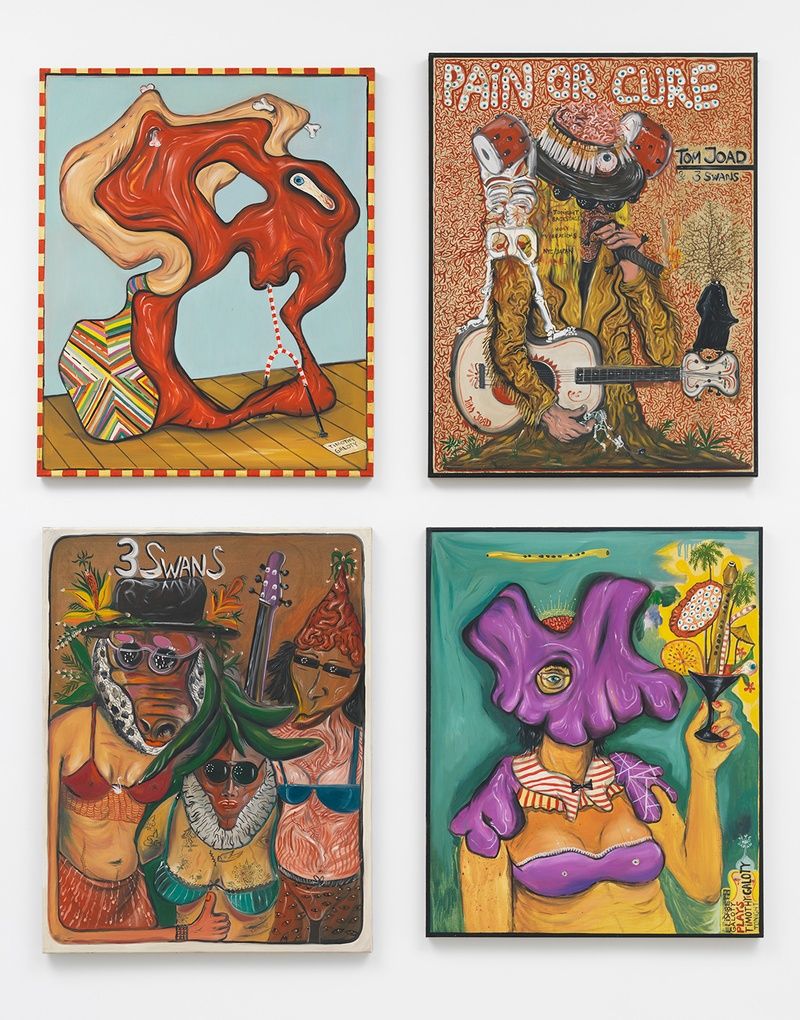
Jakub Julian Ziolkowski
Galoty (Posters #1-4), 2010
Oil on canvas
4 panels, approximately 43.25 × 35.5 inches each
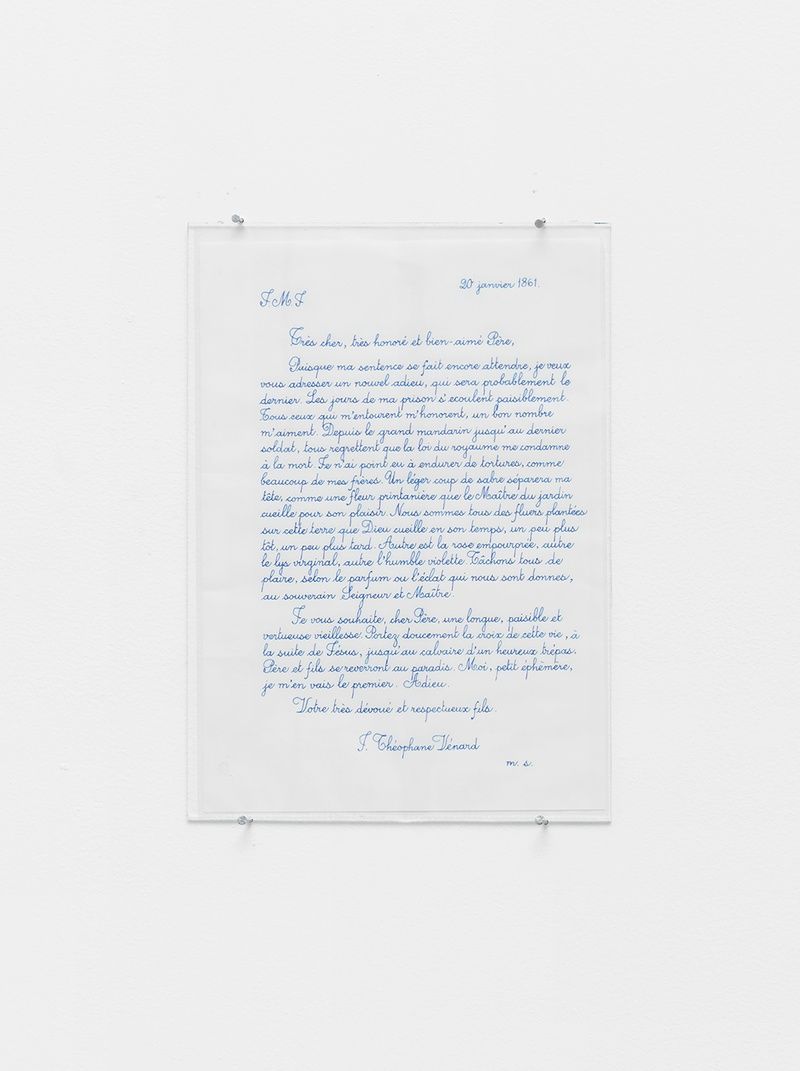
Danh Vo
30.1.1861, 2009
Ink on paper
11 × 8.5 inches
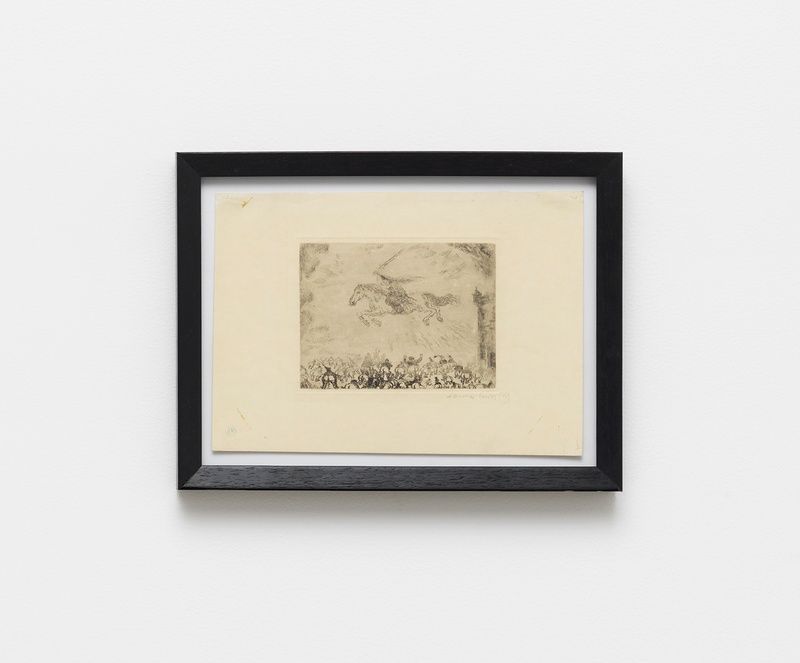
James Ensor
Exterminating Angel (L'Ange Exterminateur), 1889
Etching with drypoint on Japanese paper
7.75 × 11.125 inches
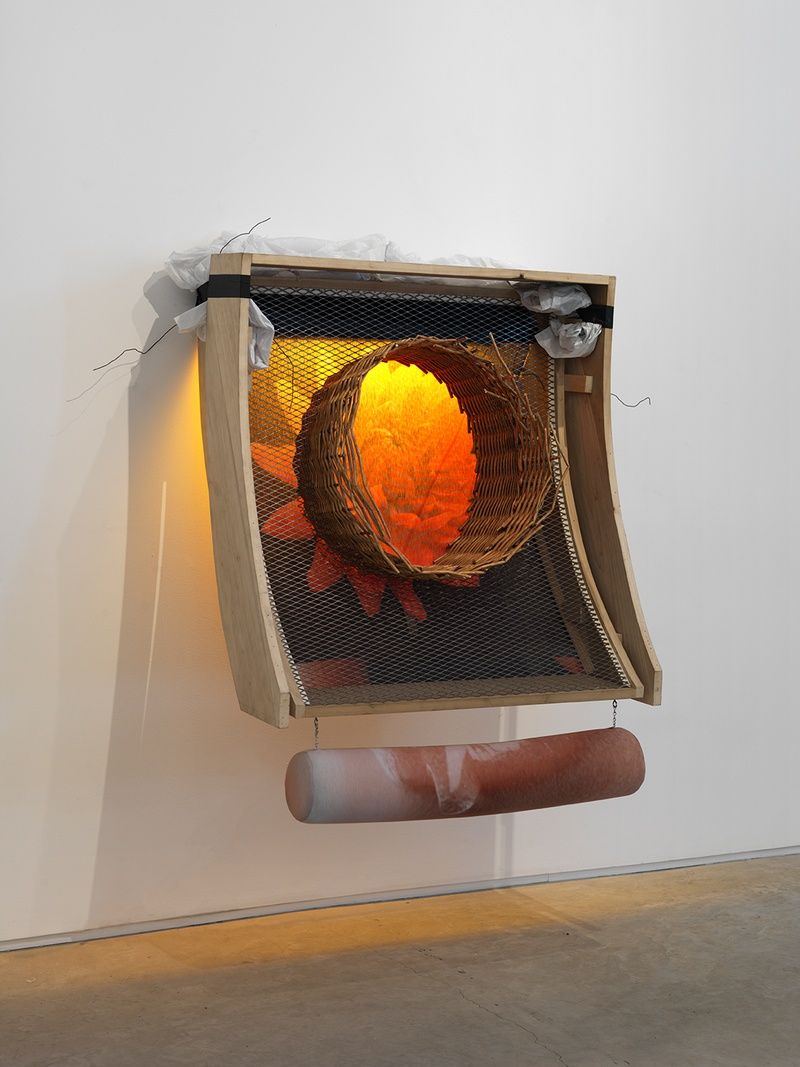
David Douard
The Reason We No Longer S'speak, Slipper of snow, 2015
Fabric, wood, metal, foam, plastic, neon
45 ¼ × 36 ¼ × 20 ⅞ inches